Skip to content
Smart textiles and functional clothing education

Smart Textiles: how fabric performance is designed and tested

Smart textiles are not just electronics woven into clothing. Many everyday performance features come from fiber selection, fabric structure, membranes, finishes, and coatings that influence moisture, heat, abrasion, and surface behavior. This page introduces the core building blocks and shows how to read common claims with a practical mindset.

Comfort
Heat, breathability, moisture.
Durability
Abrasion, pilling, washing.
Function
Repellency, membranes, finishes.
smart textiles functional clothing fabric structure laboratory testing

A simple model: layers and roles

Many high-performance garments behave like systems. A base layer manages moisture on skin, a mid-layer manages insulation, and an outer layer manages wind, rain, and abrasion. Smart textile features can appear in any of these layers, and care routines often determine how long the features last.

If you want to compare fabrics, focus on the use case first: activity level, climate, and maintenance preferences. The same textile can feel excellent in one scenario and uncomfortable in another.

Moisture
Wicking, drying, vapor.
Thermal
Insulation and airflow.

Core concepts you can use

Functional fabric claims become easier to evaluate when you understand a few repeating ideas. The same physics shows up in rain shells, sportswear, workwear, bedding, and upholstery. The sections below are written for learners who want practical takeaways: what the feature does, how it is commonly measured, and what can reduce performance over time.

When brands talk about “smart” properties, it helps to ask which part of the textile system is doing the work. Is it fiber chemistry, fabric structure, a membrane, or a surface finish? The answer shapes comfort, durability, and how the garment should be washed and stored.

Surface finishes and coatings

Many features are created at the surface: water repellency, stain resistance, or reduced wet-out. Coatings can be thin and durable, but they still wear with abrasion and repeated washing.

Membranes and laminates

Waterproof and wind-resistant fabrics often use membranes bonded to face fabrics. Comfort depends on air movement, moisture transport, fit, and how the garment is used.

Fabric structure matters

Knit vs woven, yarn thickness, and weave density influence stretch, breathability, and abrasion. “Same fiber” does not mean “same behavior” across structures.

Care changes performance

Detergent type, temperature, tumble drying, and fabric softeners can all change water repellency and moisture transport. Care guidance is part of the technology.

Practical questions to ask

What is the claim describing? A property (breathability), a test result, or a marketing label? Clear claims usually mention standards, units, or conditions.

How will it be maintained? Performance textiles can require specific wash routines. If the routine is not realistic for you, the best material may be a simpler one.

Common features in functional clothing

This overview explains typical smart textile features you will see on labels and product pages. The goal is not to rank products, but to show what each feature can do, what it cannot do, and what to consider for real-world use. Performance depends on fit, layering, environment, and the way the garment is used.

Breathability and moisture transport

Breathability is often about how water vapor and warm air move through a textile system. Structure, membranes, and finishes can help or hinder. High output activity usually needs airflow and moisture management that works with your layering choices.

Useful check: if a fabric blocks wind well, comfort in motion can depend on vents, zips, or panel design, not just the fabric itself.
Water repellency and wet-out resistance

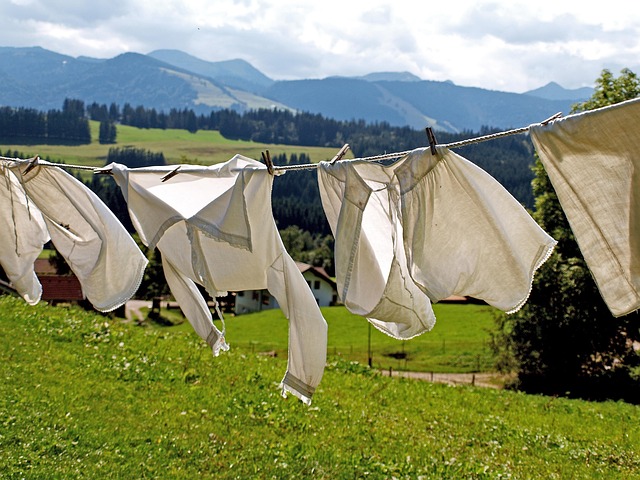
Repellency usually comes from a surface finish that makes droplets bead and roll off. It can reduce fabric saturation, which helps comfort and drying time. Abrasion, dirt, and washing can reduce the effect, and re-proofing may be required.

Practical note: “repellent” is different from “waterproof.” Waterproofing depends on membranes, seams, and design features.

Abrasion resistance and durability

Durability can be influenced by fiber type, yarn twist, weave density, and reinforcement panels. Terms like “tough” or “ripstop” are helpful only when you also consider where abrasion occurs: shoulders, knees, cuffs, or backpack contact points.

Look for construction details: seam quality, panel placement, and repairability often matter as much as fabric.

Thermal comfort and insulation

Warmth is not only thickness. Trapped air, moisture control, and wind exposure change how insulation feels. Some textiles manage loft or reduce heat loss in wind, but comfort still depends on fit and layering strategy.

A useful habit: test your layering system in realistic conditions, then adjust one variable at a time.

Odor control approaches

Odor control can involve fiber selection, moisture management, and certain finishes. Results vary with wear time, washing routines, and environmental conditions. ErinToday encourages careful interpretation and attention to long-term care.

Consider the whole system: a textile that dries quickly may reduce conditions that lead to odor buildup.

Stain resistance and easy-care finishes

Some finishes reduce how oils or dirt bind to fibers, which can make cleaning easier. Trade-offs can include feel, breathability, or longevity. The best option is the one that fits your maintenance habits.

A practical test: check whether care labels match what you can realistically do at home.

Care and maintenance, explained

Functional clothing is often a combination of material science and routine care. Oils, dirt, and detergent residues can block pores in membranes and reduce water repellency. Heat and mechanical action can change how fibers sit, which influences moisture movement and feel.

The goal is not perfection. Small, consistent habits often matter most: following temperature limits, avoiding fabric softeners when a membrane is present, and ensuring garments dry fully. This section outlines common patterns so you can understand why care guidance exists.

A practical care checklist

Read the care label and treat it as part of the design. If a textile relies on a finish, care steps help preserve that surface.

Avoid residue when possible. Excess detergent can reduce moisture transport and change feel, especially in base layers.

Use heat carefully. Some textiles benefit from gentle heat to restore repellency, while others can be damaged by high temperatures.

Dry thoroughly. Storing damp textiles can cause odor and degradation. Air circulation is often more important than speed.

Want structured learning?

Workshops cover textiles, materials literacy, and how to interpret performance claims responsibly.

View Workshops
fabric care washing functional clothing membranes finishes

How nano-scale features can appear in textiles

Some textile properties come from nano-scale surface engineering, such as thin coatings that alter surface energy or improve resistance to wetting. These approaches are typically subtle and must be communicated carefully. On ErinToday, we focus on what is measurable and how durability is influenced by friction and washing.

For broader context, explore our materials section to learn about coatings, membranes, and testing frameworks used across product categories.

FAQ: smart textiles

Clear answers to common questions about functional clothing and smart textile claims. If you have a specific topic request, use the contact page and tell us what context you are learning for.

Are smart textiles the same as wearable electronics?

Smart textiles can include electronics, but many “smart” features are non-electronic: moisture management, thermal comfort, wind resistance, or surface repellency. These come from materials, structure, membranes, and finishes rather than batteries or sensors.

Do coatings last forever?

No. Surface effects can wear with abrasion, dirt, and washing. Some garments can be maintained through appropriate cleaning and, in some cases, re-application methods recommended by the manufacturer. The details depend on the textile system.

What should I do if “breathable” feels clammy?

Clammy comfort can come from many factors: too much insulation, blocked airflow, wet-out on the face fabric, or moisture accumulation in the layering system. Fit and venting options can matter as much as the textile label.

Is antibacterial or odor-control clothing a health product?

On ErinToday we treat odor-control claims as comfort and maintenance topics, not as medical claims. We avoid suggesting health outcomes and focus on practical considerations like care, durability, and the conditions that influence odor buildup.

Continue learning

Build a broader foundation with beginner guides and materials explainers.